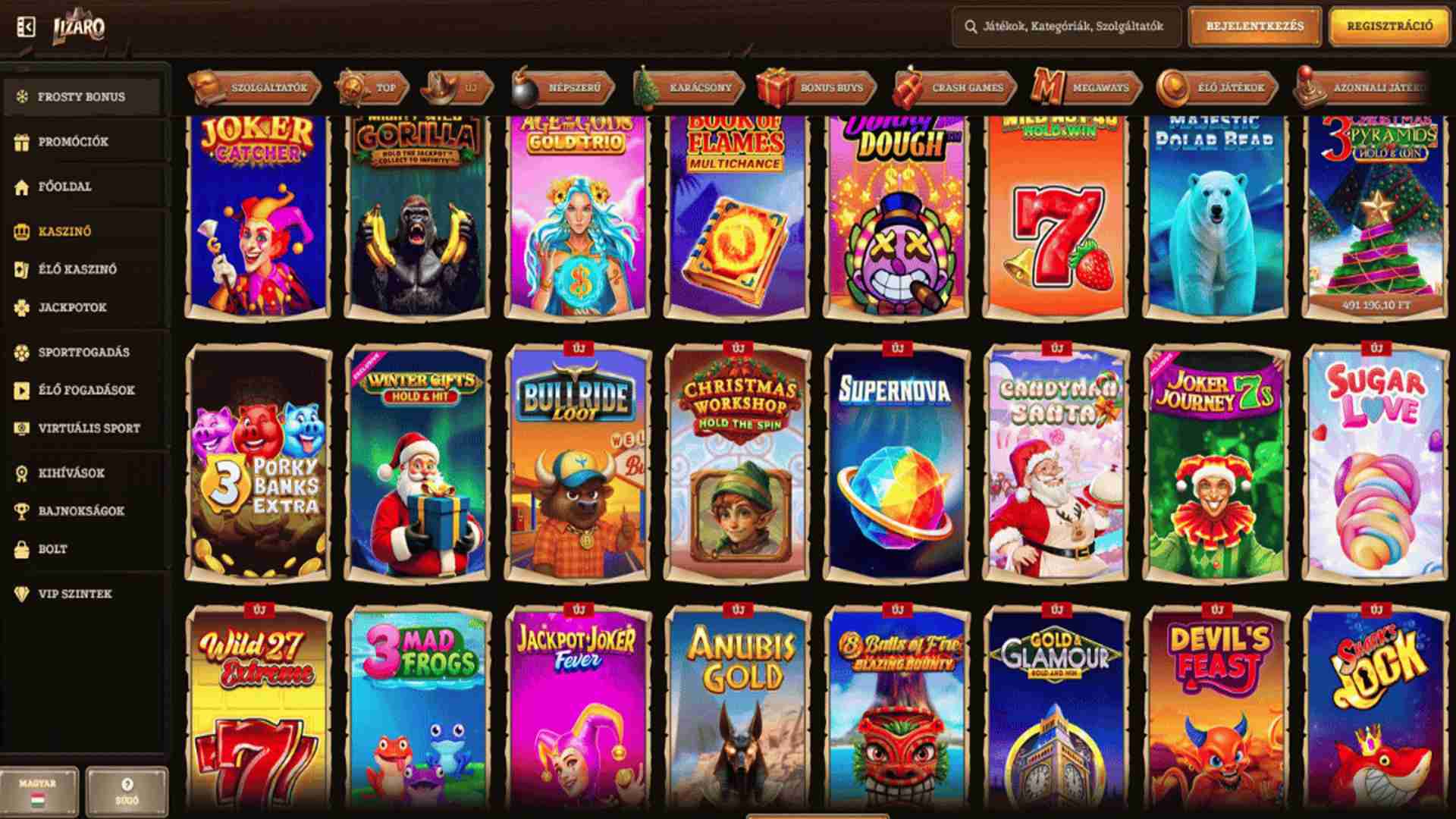
The efficiency of any data-driven platform heavily relies on how seamlessly users can control multiple streams of information simultaneously. Implementing sophisticated layout enhancements allows developers to minimize spatial confusion and accelerate decision-making cycles during high-traffic operations. When platform aesthetics prioritize human factors engineering, users experience lower cognitive fatigue and higher tracking precision across complex virtual grids.
The Core Impact of Grid Customization on User Efficiency
Providing dynamic control layouts is a critical necessity for individuals managing extensive multi-table structures on standard desktop displays. Well-designed software modules use responsive partitioning systems that automatically arrange separate interface windows without resource-intensive manual alignment delays. This structural organization preserves visual focus and eliminates the unexpected errors frequently caused by overlapping window borders.
Furthermore, specialized interface configurations allow regular operators to center active focus zones instantly based on predefined geometric priorities. Integrating flexible display matrices ensures that changing technical variables or sudden notifications do not obscure critical action pathways. This deliberate handling of screen real estate establishes a predictable workspace where users track extensive parameters with ease.
Minimizing Processing Friction Through Responsive Navigation Trees
An intuitive system menu architecture significantly decreases the mental energy required to filter through numerous running data configurations. High-performance software platforms incorporate clean data filters and distinct sorting columns to help users locate specific configurations within seconds. Eliminating administrative clutter helps lower cognitive workloads, keeping tactical processing speeds consistently high throughout extended multi-tasking sessions.
Optimizing navigation paths prevents mechanical friction and ensures that essential interactive tools remain accessible right when needed. For instance, testing a secure platform setup like a wd boss link alternatif demonstrates how responsive architectural pathways protect daily operational continuity. Consistent navigation frameworks across variable layout designs help individuals maintain maximum coordination without unexpected technical disruptions.
Enhancing Operational Longevity via Visual Ergonomics
Prolonged visual engagement with data-heavy applications often leads to severe eye strain and mental exhaustion if the default interface lacks proper balancing. Modern platforms resolve this systemic challenge by introducing customizable color palettes, dark mode presets, and simplified asset presentation choices. Removing redundant background graphics and flashy tracking animations creates a streamlined workspace built exclusively for long-term comfort.
Clean typography and logical data placement also ensure that real-time information updates remain completely transparent at a single glance. Users can calculate shifting values quickly and execute precise physical actions without fighting the underlying software design. Prioritizing visual comfort ultimately transforms standard administrative routines into stable, accurate execution processes.
The Strategic Necessity of Continuous System Optimization
Maintaining a professional competitive environment requires constant backend refinement to ensure layout stability and robust data security. Background patches and operational upgrades remove latent code vulnerabilities that could otherwise cause severe display freezes or network packet drops. Choosing systems backed by responsive development teams ensures that automated tracking systems operate accurately without demanding excessive local hardware resources.
In conclusion, the visual structure of a software client plays an essential role in dictating long-term user performance and focus retention. Investing in superior interface engineering protects operational capital while creating an ideal environment suited for high-stakes decision cycles. Systems that emphasize clean design and seamless table navigation naturally deliver a more sustainable user experience over time.